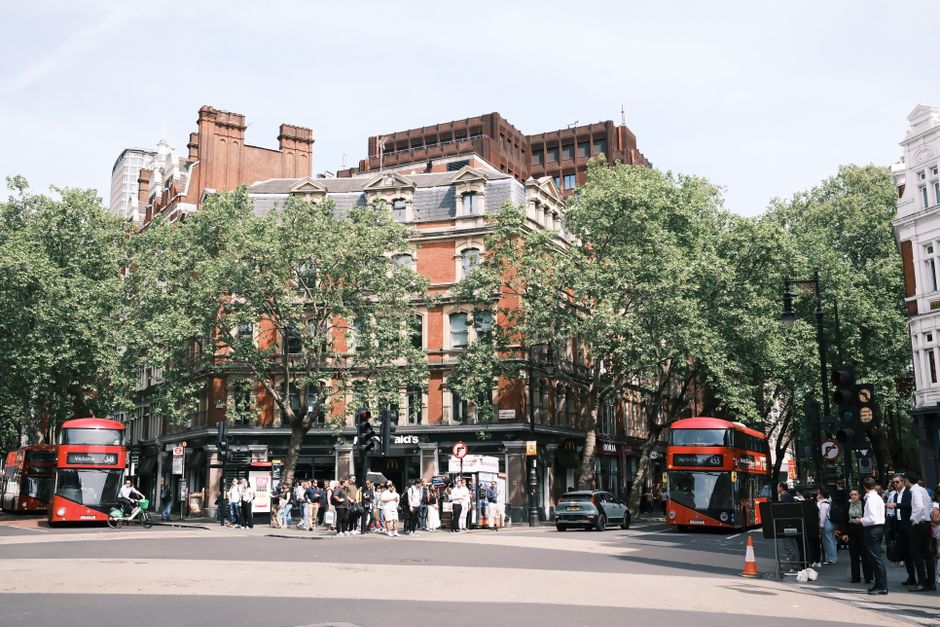
Duke of York Square moving tips for busy Chelsea weekdays
If you're planning a move around Duke of York Square on a weekday, you already know the challenge: Chelsea looks calm from a distance, but once the school run, deliveries, office traffic, and shoppers all kick in, timing becomes everything. The good news? With the right approach, Duke of York Square moving tips for busy Chelsea weekdays can turn a stressful day into a tidy, well-managed move that actually stays on schedule.
This guide is written for the real-life moving headache of SW3 weekday logistics. We'll cover how access works, what to do about parking and loading, how to pack for speed, and where small decisions save you time, money, and a lot of unnecessary huffing and puffing. Truth be told, a smooth Chelsea move is usually less about brute force and more about planning the sequence properly.
Table of Contents
- Why Duke of York Square moving tips for busy Chelsea weekdays Matters
- How Duke of York Square moving tips for busy Chelsea weekdays Works
- Key Benefits and Practical Advantages
- Who This Is For and When It Makes Sense
- Step-by-Step Guidance
- Expert Tips for Better Results
- Common Mistakes to Avoid
- Tools, Resources and Recommendations
- Law, Compliance, Standards, or Best Practice
- Options, Methods, or Comparison Table
- Case Study or Real-World Example
- Practical Checklist
- Conclusion
- Frequently Asked Questions
Why Duke of York Square moving tips for busy Chelsea weekdays Matters
Duke of York Square sits in one of those London pockets where the map looks neat but the day-to-day reality is anything but. You've got a busy central location, limited tolerance for delay, and the usual Chelsea mix of residential, retail, and visitor movement. On a weekday, that means a van can lose time very quickly if the parking plan is fuzzy, the lift access isn't checked, or the boxes are still being taped while the crew is waiting outside.
Why does this matter so much? Because weekday moves are often scheduled around work, building access windows, concierge availability, and timed loading. Miss one part, and everything else starts to wobble. A move that should feel controlled can suddenly become a long afternoon of holding boxes, re-parking, and apologising to neighbours. Nobody enjoys that. Nobody.
The other reason this topic matters is that the Duke of York Square area rewards preparation. If you know exactly where things go, how long each stage takes, and which items need special handling, you can move faster without feeling rushed. That's the sweet spot: efficient, not frantic.
Expert summary: In Chelsea, the best weekday move is usually the one that is boringly organised. Clear access, slim vehicle choice, careful packing, and an early start beat "we'll wing it" almost every time.
How Duke of York Square moving tips for busy Chelsea weekdays Works
At a practical level, moving around Duke of York Square on a weekday is about coordinating four moving parts: the property, the vehicle, the route, and the timing. If even one of those slips, the day gets slower. That's why local moving advice tends to focus less on dramatic lifting tricks and more on access management.
Here's the basic shape of it. First, you confirm whether the building has a loading bay, service entrance, lift booking, or concierge rules. Then you decide what type of vehicle fits the job. For a short local relocation or smaller flat move, a man and van service can be a sensible option, while larger household moves may call for something closer to a full home moves setup or a bigger vehicle arrangement.
Next comes the timing. Weekdays are busy because the area is busy, full stop. Early morning often gives you a cleaner run at loading and less competition for kerbside space. Midday can be awkward, especially if the move involves bulky furniture, multiple trips, or a property with awkward stairwells. Late afternoon brings its own complications, not least the pressure of everyone else trying to finish up at the same time.
If you're moving office items, tools, or stock, the same logic applies but the stakes can be slightly higher. A commercial relocation usually benefits from a tighter run sheet, designated packing order, and someone on-site who can answer questions quickly. For that kind of job, services such as commercial moves or office relocation services are better aligned with the pace and coordination needed.
There's also the route itself. Central Chelsea streets can be narrow, and access around the square may require a bit of patience and local awareness. That's where understanding vehicle size, turning space, and loading duration pays off. If a larger vehicle would block too much or struggle to park cleanly, a more compact approach can be the smarter choice. Not glamorous, but very effective.
Key Benefits and Practical Advantages
The obvious benefit is time saved. But honestly, that's only the start. A properly organised weekday move around Duke of York Square also reduces stress, protects your belongings better, and keeps you on the right side of neighbours and building managers. And if you've ever tried to move a sofa while someone is waiting for the lift and another person is asking where the keys are, you know how quickly small delays multiply.
- Less waiting: A planned loading slot and the right vehicle cut dead time.
- Better access control: You avoid awkward last-minute decisions about stairwells, lifts, and entrances.
- Reduced damage risk: When items are packed and loaded in a sensible order, fewer things get knocked.
- Lower disruption: Neighbours, staff, and building teams experience less interruption.
- Cleaner decision-making: You're less likely to panic-book extra help or make rushed changes.
Another quiet advantage is that good planning makes the whole move feel smaller. That sounds odd, but it's true. A flat move in Chelsea can feel enormous until you break it into jobs: dismantle, label, load, park, carry, unpack, done. Suddenly it's manageable. Still a chore, yes, but manageable.
For delicate items, the benefit is even clearer. If you're moving glassware, artwork, mirrors, or awkward furniture, careful packing and a steady loading process can prevent the kind of minor damage that is annoying enough to ruin the day. For more guidance on protecting breakables, packing fragile items for a damage-free move is a useful reference point.
Who This Is For and When It Makes Sense
This advice is for anyone moving in or around Duke of York Square on a weekday, but it helps especially if your move has one or more of these features: limited parking, a tight building timetable, large furniture, multiple floors, or a deadline that cannot slip. In other words, most Chelsea weekday moves, really.
You'll benefit most if you are:
- leaving a flat, maisonette, or townhouse in SW3
- moving into a managed building with access rules
- relocating a home office or small business setup
- trying to move quickly between work hours
- handling bulky furniture in a narrow-access property
- dealing with fragile or valuable items
It also makes sense if you're the person coordinating everything rather than the person doing all the lifting. Let's face it, that's often the harder job. You are tracking keys, time slots, access notes, removal help, and what is supposed to be in which room. A good plan saves your sanity more than your back.
For narrow-access jobs in Chelsea, a wider moving truck is not always the answer. In some cases, a smaller vehicle with a more flexible loading pattern is simply better. If that sounds familiar, the practical advice in this guide to narrow access jobs may help you think through the access side before moving day arrives.
Step-by-Step Guidance
Here's the part that usually makes the difference. Follow the steps in order and you'll avoid most of the classic weekday moving traps.
1) Confirm access details early
Before you touch a box, check the essentials: lift availability, entrance codes, loading restrictions, concierge hours, and whether any spaces need booking. If your building has a service entrance, ask how it is used and whether there are time limitations. Simple question, big payoff.
2) Choose the right vehicle size
Do not default to the biggest vehicle you can find. In tight Chelsea streets, a well-sized vehicle can be far easier to position and unload. For smaller moves, a man with van arrangement may be enough. For heavier or larger loads, a moving truck may be the better fit, especially if several bulky items need to go in one go.
3) Pack in load order, not room order
This is one of the small professional habits that saves a lot of time. Pack by what needs to come off first and what is safe to stack. Keep essentials, fragile items, and anything needed immediately at the end of the sequence where they can be reached quickly. If you pack by room only, you can end up with a perfectly labelled mess. Efficient, but weirdly annoying.
4) Protect high-risk items
Wrap mirrors, glass shelves, lamps, and table tops properly. Use blankets, stretch wrap, and strong tape where suitable. For furniture that might be marked or scratched in transit, think in layers: surface protection, corner protection, and careful loading position. If you're moving a mattress or bed frame, it helps to look at a focused plan like quick and efficient ways to move your bed and mattress.
5) Set a realistic loading window
Weekdays in Chelsea can feel compressed, so build a little breathing room into your plan. If you think loading will take an hour, allow a bit more. This is not pessimism. It's experience. The lift might be occupied, the van might need repositioning, or the sofa might not fit through the hallway the first time. It happens.
6) Keep one person in charge
It sounds obvious, but every move benefits from a single point of coordination. One person answers questions, checks the list, and makes the calls. Without that, decisions drift and the move starts to feel like a group project nobody wanted. Usually the quietest person ends up saving the day. Funny how that works.
7) Unpack the essentials first
When you arrive, resist the urge to attack every box. Start with beds, basic kitchen items, toiletries, chargers, and any work equipment you need the same day. That gives you a functioning space quickly, which matters more than perfectly arranging every drawer on the first evening.
Expert Tips for Better Results
A few small habits can make a weekday Chelsea move significantly smoother. Nothing fancy, just the kind of advice that tends to come from doing this more than once.
- Use colour-coded labels: A coloured sticker on each box is faster to spot than reading every handwritten note in a rush.
- Keep a "do not pack" pile: Keys, contracts, medication, chargers, and valuables should stay separate from the main load.
- Disassemble early: Beds, table legs, and bulky shelving take longer than people expect.
- Protect floors and thresholds: A small mat or cover can prevent scuffs in hallways and entrances.
- Photograph tricky furniture: If something has to be reassembled later, a quick photo saves a lot of head scratching.
If you're moving bulky items, especially into or out of a mews or narrow street, the safest route is usually to plan the carry path first, then move the item second. The reverse tends to cause damage and low-grade panic. For more on this, see moving bulky items in Chelsea mews with narrow access fixes.
One more thing: keep a small cleaning kit in the van or by the door. A cloth, bin bags, tape, and basic wipes can save you from a surprisingly messy handover moment. It's not glamorous, but neither is hunting for tape while standing in the hallway at 7:45 on a Tuesday.
Common Mistakes to Avoid
Most moving problems in this area are not dramatic failures. They're little avoidable slips that snowball.
- Ignoring weekday traffic patterns: A move that would be fine on paper can be slow if it clashes with local traffic and delivery activity.
- Booking the wrong vehicle: Too large and you risk access issues; too small and you add extra trips.
- Leaving packing to the last minute: That's how fragile items end up wrapped in supermarket bags. Not ideal.
- Not checking building rules: Some buildings need notice, lift reservations, or specific loading arrangements.
- Underestimating heavy items: Sofas, wardrobes, and pianos need proper planning, not improvisation.
- Forgetting insurance questions: If something valuable matters to you, don't assume all protection is the same.
There's also a tendency to assume the cheapest quote is automatically the best value. Sometimes it is, but often the quote only looks low because something has been left out. If you want to understand that better, this guide to hidden fees in Chelsea removal quotes is worth a look before you commit.
And if you're moving something especially awkward like a piano, please don't wing it. Honestly, that's one of those jobs where confidence and competence are not the same thing. A good guide to the risks is avoid common mistakes people make when moving pianos on their own.
Tools, Resources and Recommendations
You do not need a mountain of equipment, but the right basics make a noticeable difference. Think simple, sturdy, and dependable.
| Tool or Resource | Why it helps | Best used for |
|---|---|---|
| Strong boxes in mixed sizes | Better stacking and easier handling | Books, kitchenware, documents |
| Bubble wrap and packing paper | Reduces impact and surface scratches | Fragile household items |
| Furniture blankets | Protects larger items during loading | Sofas, tables, wardrobes |
| Labels and marker pens | Makes unloading faster and clearer | Every box, honestly |
| Moving straps or trolleys | Improves control for heavier items | Boxes, appliances, furniture |
| Checklists and notes | Prevents missed tasks and repeat trips | Weekday coordination |
If you're short on time, a packing service can be a practical choice. Professional help with packing and unpacking services can take the edge off a busy move, especially when work deadlines or family commitments leave you with very little spare bandwidth.
For smaller loads, a simple removal truck hire arrangement might be enough. For household clear-outs or mixed item pickups, a flexible option like furniture pick up can also help remove one more headache from the day.
If you want to know more about the team behind the service before booking anything, the about us page is a good starting point, and for direct enquiries the contact us page keeps things simple.
Law, Compliance, Standards, or Best Practice
For weekday moving in Chelsea, compliance usually comes down to local parking rules, building access rules, and sensible manual handling practice. You do not need to become a parking expert overnight, but you should make sure any loading or parking plan is lawful and realistic for the street you're using. Chelsea streets can be unforgiving if you assume you can just stop wherever it seems convenient.
Where a building, estate, or local authority setting has restrictions, follow them carefully. That may include time-limited loading, permit requirements, or designated vehicle access areas. If skip usage is part of the move or declutter, check the relevant rules before anything is arranged. A useful starting point for that topic is do you need a skip permit in Chelsea council rules.
Manual handling is another area where common sense matters. Keep loads balanced, use team lifts for heavy or awkward items, and avoid twisting while carrying weight. The practical approach is simple: if a lift feels too heavy or awkward, treat that as a sign to slow down and rethink the method. It is not weakness. It is just not worth a strained back on a Wednesday morning.
Insurance is worth checking too. Different providers may cover different risks, and assumptions can be expensive. For a clearer view of the usual considerations, see removals insurance in Chelsea and what covers damage. Also, if your move involves a lot of stored or temporarily housed items, it can help to understand how your belongings should be handled and protected while in transit.
Options, Methods, or Comparison Table
Choosing the right move method depends on how much you're shifting, how tight the access is, and how quickly everything needs to happen. There is no single best option for every Chelsea weekday move, despite what some brochures imply.
| Method | Best for | Pros | Potential downsides |
|---|---|---|---|
| Man and van | Smaller flat moves, student-style loads, quick local trips | Flexible, usually easier to manoeuvre, practical for short notice | May need multiple trips for larger moves |
| Man with van | Light-to-medium loads with hands-on help | Good for awkward items, simple setup, often efficient | Less ideal for large family homes or heavy furniture sets |
| Removal truck | Larger household or business moves | More capacity, better for one-trip loading | May be harder to access or park in tight Chelsea streets |
| Full home move service | Whole-property relocations, time-sensitive moves | More structured, less stress for the customer | Usually more planning needed upfront |
If you're deciding between options, ask yourself one simple question: what matters more, fewer trips or easier access? In Chelsea, the answer is not always obvious. A smaller vehicle that can get in and out cleanly may beat a larger one that spends half the morning trying to find somewhere sensible to sit.
Case Study or Real-World Example
Imagine a couple moving out of a second-floor flat near Duke of York Square on a Tuesday. They both work full-time, so the move has to happen before the afternoon gets away from them. They have a sofa, bed, a dining table, ten or so boxes, and a few fragile items from the kitchen. Nothing outrageous, but enough to become messy if handled casually.
They start by checking access the day before. The building allows a morning loading window, and the lift is booked. They choose a smaller vehicle rather than a large truck because the street is tight and parking space is limited. They label boxes by priority, keep bedding separate, and dismantle the bed frame the night before. One person coordinates the keys and the paperwork while the other keeps an eye on the packing flow.
On the day, loading begins early. There is a brief pause because the lift is in use by another resident, which is exactly the sort of thing that can throw people off if they've planned too tightly. But because they left a cushion in the schedule, it doesn't become a crisis. The sofa goes in first, fragile boxes are loaded last, and the whole thing finishes without drama. Not perfect, maybe, but smooth enough to count as a good Chelsea weekday move. And that is really the aim.
They also avoid one common trap: trying to do everything at once. Instead of unpacking immediately, they set up the bed and kitchen basics first, then deal with the rest later that evening. That small discipline makes the first night feel human, not chaotic.
Practical Checklist
Use this checklist the day before and again on the morning of the move.
- Confirm building access, lift use, and any booking requirements
- Check parking or loading arrangements for the van or truck
- Choose the right vehicle size for the street and the load
- Finish packing fragile items with extra protection
- Label all boxes clearly by room and priority
- Set aside keys, documents, chargers, and valuables
- Dismantle large furniture if needed
- Protect floors, corners, and door frames where possible
- Keep basic cleaning items and tape within reach
- Allow extra time for delays, lift waits, or access changes
- Have a contact number ready for the driver or removals team
- Unpack essentials first at the new property
If you want to make the job even lighter, declutter before moving day. Fewer items means fewer decisions, fewer boxes, and less pressure on the loading plan. A good starting point is minimising your moving load by decluttering in advance. For people trying to keep the whole day calm, smart steps to keep your move stress-free is also worth a read.
Conclusion
Moving around Duke of York Square on a busy Chelsea weekday is rarely about speed alone. It is about sequence, access, and making a few sensible decisions before the first box leaves the room. Once you get those parts right, the rest becomes much more manageable. You do not need perfection. You just need a plan that fits the street, the building, and the time you actually have.
Whether you are handling a small flat move, a larger home relocation, or a commercial move with tighter timing, the same principle holds: prepare early, choose the right vehicle, protect the awkward items, and leave a bit of room for real life to happen. Because it will. It always does, a little.
Get a free quote today and see how much you can save.
And if today feels like one of those overfull, slightly messy London days, take a breath. A well-planned move can still feel calm, even in Chelsea, even on a weekday, and even when the kettle is still in a box somewhere.
Frequently Asked Questions
What is the best time to move near Duke of York Square on a weekday?
Early morning is often the easiest time because roads, loading areas, and building access tend to be less pressured. That said, the best time also depends on your building rules and whether your van needs a specific loading window.
Do I need a small vehicle for a Chelsea weekday move?
Not always, but smaller vehicles are often easier to manage in central Chelsea because parking and manoeuvring can be tight. If you have a large load, a bigger vehicle may still be the right choice, but it should be matched to the street and access conditions.
How far in advance should I plan a move around Duke of York Square?
As early as you can. Even a simple move benefits from a few days of planning, and bigger moves may need more notice for access checks, packing, and vehicle booking. The more complicated the property, the earlier you should start.
What should I pack separately for moving day?
Keep keys, important documents, medication, chargers, valuables, and a basic essentials bag separate from the main boxes. That way, you are not searching through sealed boxes when you arrive at the new place and need the basics right away.
Is a man and van service enough for a flat move in Chelsea?
It can be, especially for smaller flat moves or local relocations. If you have a lot of furniture, awkward items, or a tight deadline, you may need a larger setup or extra handling support.
What if my building has lift restrictions or access rules?
Work around them rather than hoping they will not matter. Check booking times, entrance procedures, and any loading instructions before move day. That one step can save a surprising amount of stress later.
How do I move bulky furniture in narrow Chelsea streets?
Measure the furniture and the access route before moving day. Sometimes partial dismantling, a smaller vehicle, or a different loading sequence makes the difference. For especially awkward items, professional help is often the most practical choice.
Should I choose the cheapest quote I receive?
Not automatically. A quote should be judged on what it includes, not just the headline number. Look for clarity on labour, vehicle size, timing, and any extra charges so you are not caught out later.
Do I need to worry about parking or loading restrictions?
Yes, definitely. Chelsea weekday moves can be disrupted by loading limits, parking controls, and general street activity. Always check the plan in advance and make sure the vehicle you book can actually use the space you expect.
Can packing services help if I am moving on a busy weekday?
Yes. Packing and unpacking help can be a real time-saver when work, family, or access restrictions leave you with little spare time. It is especially useful if you have fragile items, lots of kitchenware, or a move that must happen quickly.
What should I do if I am moving alone?
Keep the load lighter, use proper lifting aids, and avoid trying to do heavy or awkward items without help. If something feels too much, pause and change the plan. A solo move is absolutely possible, but it should still be sensible.
How can I make the first night after moving easier?
Prepare an essentials box with bedding, toiletries, a kettle or mug set, chargers, and basic kitchen items. If you can sleep, wash, and make tea without hunting through piles of boxes, the whole move feels more settled. A small win, but a meaningful one.
Are there special tips for commercial moves near Duke of York Square?
Yes. Commercial moves usually work best with a tighter timetable, clear labelling, and one person in charge of decisions. Equipment, files, and office furniture should be packed in a way that supports quick setup at the destination rather than just getting everything out the door.