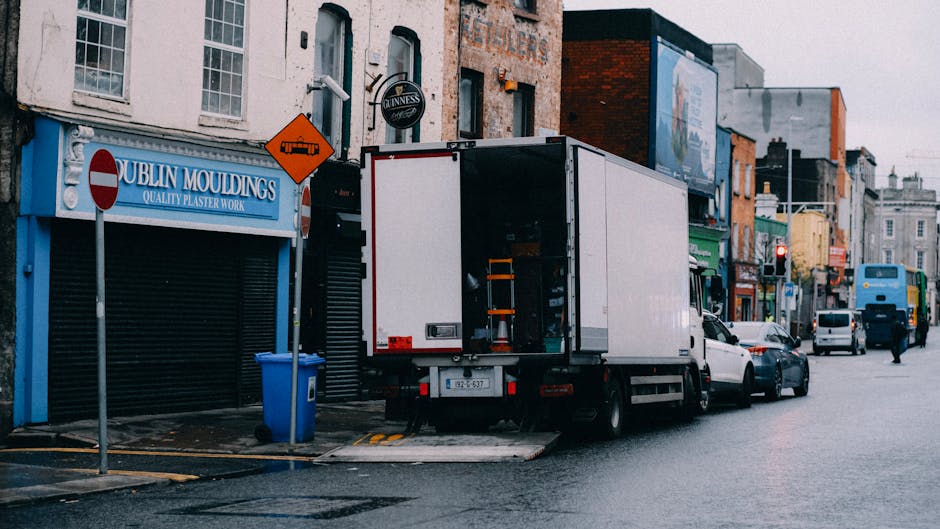
Removals insurance in Chelsea: what covers damage
If you are planning a move in Chelsea, one of the first questions worth asking is not just how the move will be done, but what happens if something gets damaged along the way. That is where removals insurance comes in. In plain English, it is the protection that helps cover loss or damage to your belongings during the moving process, whether you are moving a flat off King's Road, a townhouse near Sloane Square, or a compact office space tucked away in a busy side street.
Truth be told, damage claims are rarely the part of a move anyone wants to think about. But a little clarity now can save a lot of stress later. In this guide, we will break down what removals insurance usually covers, what it often excludes, how to check the wording properly, and how to reduce the risk before the first box is lifted. If you are comparing options for home moving support or need a team for a more complex relocation, understanding insurance is part of making a smart decision.
And yes, there is a difference between care, liability, and insurance. It sounds a bit dry, but those details matter when your sofa, artwork, mirror, or laptop ends up in the van at 8 a.m. on a damp London morning.
Table of Contents
- Why removals insurance in Chelsea matters
- How removals insurance works
- Key benefits and practical advantages
- Who needs this and when it makes sense
- Step-by-step guidance
- Expert tips for better results
- Common mistakes to avoid
- Tools, resources and recommendations
- Law, compliance, standards and best practice
- Options, methods and comparison table
- Case study or real-world example
- Practical checklist
- Conclusion
- Frequently asked questions
Why Removals insurance in Chelsea: what covers damage Matters
Chelsea moves can be deceptively tricky. Narrow roads, loading restrictions, shared entrances, basement flats, top-floor apartments with no lift, and expensive finishes all increase the chance that something can be scratched, chipped, bent, or broken. Even with careful handling, damage can happen. A box can shift in transit. A table leg can catch a wall. A drawer can open during loading. Sometimes it is a small thing; sometimes it is the one item you really hoped would arrive in perfect condition.
Insurance matters because it creates a clearer path to resolution if that happens. Without it, you may be left arguing about responsibility, limits of liability, or whether the damage was pre-existing. With the right cover in place, there is at least a framework for what happens next.
It also matters because a move is often a chain of separate tasks. Packing, lifting, carrying, loading, transport, unloading, and sometimes storage all carry different levels of risk. If you are using a service such as man and van support or arranging something more structured like house removalists, you should know exactly which part of the process is covered and by whom.
Expert summary: removals insurance is not just a formality. It is the difference between hoping for the best and understanding what protection exists if damage occurs. In a busy area like Chelsea, where access and property values can raise the stakes, that difference is worth paying attention to.
How Removals insurance in Chelsea: what covers damage Works
At a basic level, removals insurance is there to respond when an item is lost or damaged during the move, subject to the policy terms. The exact cover depends on the provider, the type of move, the value of the belongings, and how the damage happened. That last bit is important. Insurance rarely behaves like a magic wand. It follows rules, exclusions, and evidence.
In many moving arrangements, there are three broad ideas to understand:
- Transit cover - protection for items while they are being transported.
- Goods-in-transit cover - similar in spirit, often used to describe belongings while in the vehicle or during handling connected to transport.
- Public liability or general business cover - protection for certain third-party damage or injury, which is different from cover for your own belongings.
That distinction can be confusing, to be fair. A removal company may have insurance, but that does not always mean every item is fully covered for its full replacement value. Sometimes the policy is limited. Sometimes valuable items need to be declared in advance. Sometimes fragile goods are excluded unless professionally packed.
Here is a realistic example. Suppose a boxed lamp is moved from a Chelsea apartment, but the shade crushes because the box was too large and not supported properly. Depending on the policy, the claim may hinge on whether the item was packed by the customer, packed by the mover, or listed as fragile. Now imagine the same lamp was packed by the crew using the packing and unpacking services option. The conversation about responsibility could look very different.
Most importantly, you should ask three questions before the move starts:
- What exactly is insured?
- What is excluded?
- What evidence will be needed if a claim is made?
If the answers are vague, keep asking. It is far easier to sort that out before the sofa is halfway down the stairs.
Key Benefits and Practical Advantages
Removals insurance gives you more than financial cover. It gives you peace of mind, which sounds soft until you are staring at a cracked coffee table that belonged to your grandparents. Then it feels rather practical.
- Financial protection: You may be able to recover some or all of the cost of repair or replacement, depending on the policy.
- Clear accountability: Insurance helps define responsibility instead of leaving everything in a grey area.
- Better planning: If you know valuables need special declaration, you can prepare properly before moving day.
- Lower stress: Moves are hectic enough without wondering what happens if a mirror slips or a mattress is torn.
- Professional standards: A company that takes insurance seriously is usually more organised overall. Usually. Not always, but usually.
There is also a practical advantage that gets overlooked: insurance tends to encourage better packing habits. When people know breakables must be listed, wrapped, and checked, they take the process more seriously. That can reduce damage in the first place, which is really the point, isn't it?
For business moves, the benefits can be even more important. If you are relocating equipment, files, desks, or stock, a damaged item might do more than create inconvenience. It can interrupt work. If that sounds familiar, you may want to look at commercial moving support or office relocation services that are set up with careful handling in mind.
Who This Is For and When It Makes Sense
Honestly, removals insurance makes sense for most people moving anything of real value. That does not just mean obvious luxury items. It can include everyday furniture, large TVs, artwork, mirrors, monitors, specialist kitchen equipment, and sentimental pieces you cannot simply replace from a shop in Knightsbridge the next day.
It is especially relevant if you are:
- moving a full family home
- relocating from a basement or upper-floor flat
- transporting antiques, artwork, or delicate furniture
- using a man with van style service for a smaller move
- moving office equipment, stock, or client files
- combining a move with storage or multiple drop-offs
It also makes sense if the access conditions are awkward. Chelsea is full of homes where the narrow hallway, stairwell turn, or courtyard loading point makes the job fiddly. That is where small knocks happen. A courier-style transfer is one thing; a proper house move with furniture, boxes, and a kettle that must be unplugged, wrapped, and carried without drama is another.
For lighter moves or single-item collections, insurance still matters. If you are arranging a one-off item pick-up, for example, it is worth understanding how the service handles liability and condition checks. The same goes for furniture pick-up jobs, where the item may already have wear and tear before anyone touches it.
So who is it for? Pretty much anyone who would rather not gamble with the contents of their home or workplace.
Step-by-Step Guidance
If you want to make removals insurance genuinely useful, the trick is to treat it as part of the move plan, not as a line item you glance at once and forget. Here is a practical way to handle it.
1. Make a simple inventory
List the main items you care about most. You do not need a museum-grade catalogue, but you should know what is being moved, roughly what it is worth, and whether any item is fragile or unusually valuable. A quick spreadsheet, notes app list, or even a written page will do.
2. Check what the mover's cover actually includes
Ask whether the policy covers transit only, loading and unloading, or both. Ask whether items packed by you are covered the same way as items packed by the mover. Ask if breakage, denting, wet damage, or accidental scratching are handled differently. These differences are where misunderstandings start.
3. Photograph valuable items before the move
Take clear photos in good daylight. Focus on existing marks, serial numbers if relevant, and any fragile points. It sounds a bit fussy, but when a claim is assessed, evidence is king.
4. Pack with the policy in mind
If the policy expects fragile items to be professionally packed or double-wrapped, follow that advice. Use correct boxes, strong tape, padding, and clear labels. If the mover offers packing support, consider it for the awkward items. That is often where damage gets prevented before it begins.
5. Confirm special items in advance
Artwork, mirrors, glass tables, musical instruments, and high-value electronics may need special handling. Tell the mover early. Surprises are bad news on moving day. Nobody likes the phrase "oh, and by the way..." when the van is already outside.
6. Check the claims process before the van arrives
Find out how quickly a damage report needs to be made, who should be informed first, and what paperwork is needed. If the process is hidden until after the move, that is not ideal.
7. Inspect items as soon as possible
Once your belongings are unloaded, check the obvious vulnerable items first. Do not leave it until a week later if you can help it. If damage is found, raise it promptly and keep notes.
Quick reality check: insurance works best when it is paired with good packing and a decent inventory. One without the other can get messy.
Expert Tips for Better Results
After enough moves, a pattern appears. The best outcomes usually come from people who prepare early, ask direct questions, and do not assume every policy works the same way. The policy wording is the boring bit that saves you later.
- Do not treat "insured" as a full answer. Ask exactly what kind of damage is covered and what the limits are.
- Be honest about item value. Under-declaring valuable items can make claims awkward, and no one needs that headache.
- Separate sentimental from replaceable. A cheap chair can be replaced; your late aunt's sideboard cannot. Prioritise accordingly.
- Use the right vehicle and crew size. Smaller jobs can work well with a man and van setup, while larger homes often need a more structured service and a suitable moving truck.
- Check the weather. Rain at the kerbside in Chelsea can turn an ordinary move into a slippery little problem. Wet floors and wet cardboard are not a good mix.
A small but useful tip: label fragile boxes on more than one side. When boxes are stacked in a van, the top label is not always visible. A little attention there can save a cracked glass or a bent frame. Simple stuff. Still missed all the time.
And if you are moving office equipment, remember that laptop screens, monitors, printers, and server accessories often damage in transit not because of impact, but because they shift inside the box. Padding is not optional. It really isn't.
Common Mistakes to Avoid
Most claims problems start with assumptions. People assume their items are covered. They assume every type of damage is treated the same. They assume a quick handshake or a verbal promise is enough. It is usually not.
- Not reading the exclusions: This is the big one. Wear and tear, poor packing, and pre-existing damage are often treated differently from accidental damage.
- Failing to document condition: Without photos or notes, proving damage can become difficult.
- Ignoring high-value items: Jewellery, expensive art, specialist electronics, and antiques may need separate attention.
- Leaving packing to the last minute: Rushed packing is one of the easiest ways to create avoidable damage.
- Forgetting access risks: Stairwells, tight turns, and busy streets increase handling risk, especially in central London.
- Not checking the claims deadline: Some policies expect prompt reporting. Delay can weaken a claim.
There is also a quieter mistake: choosing a move based purely on price without asking how claims are handled. The cheapest option can be fine, but only if you understand what you are actually buying. Saving a bit up front is less satisfying if one damaged item wipes it all out.
Tools, Resources and Recommendations
You do not need a stack of specialist tools to manage removals insurance properly, but a few practical resources make life easier. Think of this section as your small pre-move toolkit.
- Inventory list: A simple table with item name, condition, value estimate, and room location.
- Camera phone: Good for before-and-after photos, especially in natural light.
- Sticky labels and marker pens: Useful for noting fragile, heavy, or upright-only boxes.
- Strong packing supplies: Boxes, bubble wrap, paper, corner protection, and sturdy tape.
- Policy summary: Keep the moving company's insurance notes, terms, and exclusions together in one place.
If you are still shaping the move itself, it can help to compare the type of service you need. For example, a small flat move might work smoothly with man with van support, while a larger family relocation may benefit from a more comprehensive approach through home moves. The insurance needs can look a little different in each case, especially if there is a lot of furniture or multiple access points.
For businesses, planning is even more important. A desk might be replaceable, but the interruption from damage to a workstation or filing system can be the real cost. If your move includes equipment or stock, it is sensible to discuss handling method, loading sequence, and any declared items before the day itself.
Law, Compliance, Standards and Best Practice
When people ask about removals insurance, they sometimes expect a single legal rule that answers everything. In reality, moving companies in the UK operate within a mix of contract terms, insurance arrangements, and general duties of care. The exact legal position can vary depending on the agreement, the policy wording, and what happened during the move.
A sensible approach is to treat the contract and the insurance details as equally important. The contract should make clear what the company is responsible for, and the insurance should explain how loss or damage is handled. If the terms are unclear, ask for clarification before you book.
Best practice usually includes the following:
- clear written terms before the move
- transparent insurance cover details
- itemised handling of valuables where needed
- reasonable packing standards for fragile goods
- prompt reporting of damage or loss
If a company also provides operational documents such as terms and conditions and a privacy policy, that is useful for transparency, especially when personal details or inventories are being shared during the booking process.
One more practical point: insurance is not a substitute for care. A mover still has to handle items properly, and the customer still has to pack or declare things honestly. The best move is usually the one where both sides do their part.
Options, Methods, or Comparison Table
Different moving setups handle damage risk in different ways. Here is a simple comparison to help you think it through.
| Option | What it usually suits | Damage cover focus | Best for |
|---|---|---|---|
| Basic man and van | Smaller loads, a few rooms, one-off collections | Often limited to transit or declared cover | Light moves and straightforward access |
| Full home removal service | House or flat moves with more furniture | Usually broader handling expectations, but still policy dependent | Family homes and larger inventories |
| Office relocation service | Desks, IT equipment, stock, files | Needs clear item declaration and handling detail | Business continuity and specialist items |
| Packing-inclusive move | Fragile or awkward items | Often stronger claim position if the mover packed the item | Glass, artwork, antiques, delicate electronics |
The right choice depends less on the label and more on how the job is actually done. A small move can still need strong cover if it includes a piano stool, a framed print collection, or a glass table. Conversely, a bigger move can be smooth if it is well planned and properly packed.
Case Study or Real-World Example
Let's take a realistic Chelsea scenario. A couple moves from a second-floor flat into a larger home nearby. They have a dining table, several framed pictures, a large mirror, a television, and a few boxes of kitchenware. The staircase is tight, the hallway has a sharp corner, and the front entrance faces a busy street. Nice place, but not easy.
Before moving day, they photograph the mirror, table, and TV. They confirm which items are covered under the mover's insurance and ask whether anything needs separate declaration. They choose packing support for the mirror and TV because those are the items most likely to cause trouble if packed badly. A small detail, but important. The boxes are labelled on two sides, and the crew knows which items need extra care.
During unloading, the table leg is scuffed slightly against a wall. No major drama, but it is noted immediately. Because there is a record of the item's pre-move condition and the damage is reported promptly, the conversation is straightforward. Not magical, not perfect, but manageable.
Now compare that with a move where no photos were taken, no cover was checked, and the client only noticed the damage three days later. Same scuff, very different experience. That is the practical value of understanding removals insurance before the move starts.
Practical Checklist
Use this checklist before moving day. It is simple, but it covers the basics that matter most.
- Make an inventory of valuable and fragile items
- Ask what the insurance covers and excludes
- Check whether packing affects cover
- Photograph key items before they are moved
- Declare unusually valuable or delicate belongings
- Confirm how damage should be reported
- Keep a copy of booking details and terms
- Use suitable packing materials and clear labels
- Inspect items promptly after delivery
- Report concerns as soon as possible
Useful reminder: if a box contains something you would be genuinely upset to lose or break, treat it as a priority item. That logic usually works better than guessing.
Get a free quote today and see how much you can save.
Conclusion
Removals insurance in Chelsea is really about one thing: knowing what happens if damage occurs, before it occurs. That means understanding the policy, checking the exclusions, documenting your belongings, and choosing the right level of moving support for the job at hand. If you take a few sensible steps early, the whole move tends to feel calmer. Less guesswork, fewer surprises, and a much better chance that your furniture and valuables arrive in good shape.
Whether you are moving a small flat, a family home, or a busy office, the smartest approach is the same: ask clear questions, pack carefully, and make sure the insurance matches the reality of the move. It is not glamorous. But it works.
And when the last box is finally in place, you will be glad you handled the details properly. Small effort, big relief. That's the good kind of boring.
Frequently Asked Questions
What does removals insurance usually cover?
It usually covers loss or accidental damage to items during the move, subject to the policy terms. That may include transit, loading, and unloading, but the exact scope depends on the provider.
Does removals insurance cover scratches and dents?
Sometimes, but not always. Small cosmetic damage can be treated differently from major breakage, and some policies have limits or exclusions for minor scuffs. Read the wording carefully.
Are items I pack myself covered?
Not always to the same standard as items packed by the mover. Some policies reduce cover if the customer packs the goods, especially for fragile items. It is worth asking before moving day.
Does removals insurance cover valuables like jewellery or artwork?
High-value items often need to be declared in advance and may require special handling or separate terms. Do not assume they are automatically covered just because they are in a box.
What is the difference between insurance and liability?
Liability is about responsibility under the contract or law, while insurance is the financial protection that may respond if damage occurs. They are related, but they are not the same thing.
Do I need removals insurance for a small move?
Yes, if you are moving anything you would not want to replace out of pocket. Even a small move can include expensive or sentimental items that deserve protection.
How do I prove an item was damaged during the move?
Photos before the move, clear inventory notes, prompt reporting, and visible condition checks all help. Without evidence, claims can become much harder to support.
Is packing service worth it for fragile items?
Often, yes. Professional packing can reduce damage risk and may strengthen your position if a claim is needed, because the item was handled using proper materials and methods.
What should I do if I notice damage after the move?
Report it as soon as possible, follow the mover's claims process, and keep photos, notes, and any relevant paperwork together. Delay can make matters more difficult.
Does removals insurance cover damage to walls or the property itself?
Sometimes, depending on the policy and the circumstances. Property damage may fall under public liability or a similar type of cover, which is separate from cover for your own belongings.
How can I reduce the chance of damage in the first place?
Use strong packing materials, label fragile boxes, declare special items, take photos, and choose the right moving service for the size and complexity of the job. Good preparation makes a real difference.
Should I still ask about insurance if I'm hiring a man with van service?
Absolutely. Smaller services can still involve significant risk, especially if furniture, electronics, or fragile items are being moved. The cover and handling standards should still be clear.