Fulham Road Chelsea removals guide for narrow access jobs
Moving along Fulham Road in Chelsea can look straightforward on a map and then turn, very quickly, into one of those jobs with tight hallways, awkward stair turns, parked cars everywhere, and a van that seems one size too large the moment it arrives. If you are searching for a Fulham Road Chelsea removals guide for narrow access jobs, you probably already know the feeling: the property is fine, the furniture is fine, but the access is not.
That is exactly why narrow access removals need a different approach. The best outcome rarely comes from brute force. It comes from planning the route, choosing the right vehicle, packing in the right order, and being honest about what can and cannot move safely through the building. In this guide, you will find a practical, human guide to doing it properly, whether you are moving a flat above a shop, a townhouse with a tight front path, or an office space where lifts and loading space both run out of patience at the same time.
To make the planning side easier, it can help to look at the wider services that support a move, such as home moves, house removalists, or a simple man and van setup when the job is small but fiddly. For larger or more layered moves, options like moving truck support or packing and unpacking services can save a surprising amount of stress.
Table of Contents
- Why narrow access removals matter on Fulham Road
- How narrow access removals work in practice
- Key benefits and practical advantages
- Who this is for and when it makes sense
- Step-by-step guidance
- Expert tips for better results
- Common mistakes to avoid
- Tools, resources and recommendations
- Law, compliance, standards and best practice
- Options, methods and comparison table
- Case study or real-world example
- Practical checklist
- Conclusion
- Frequently asked questions
Why Fulham Road Chelsea removals guide for narrow access jobs Matters
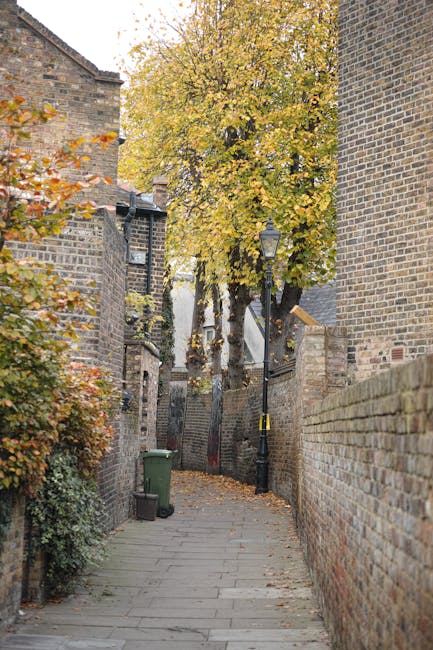
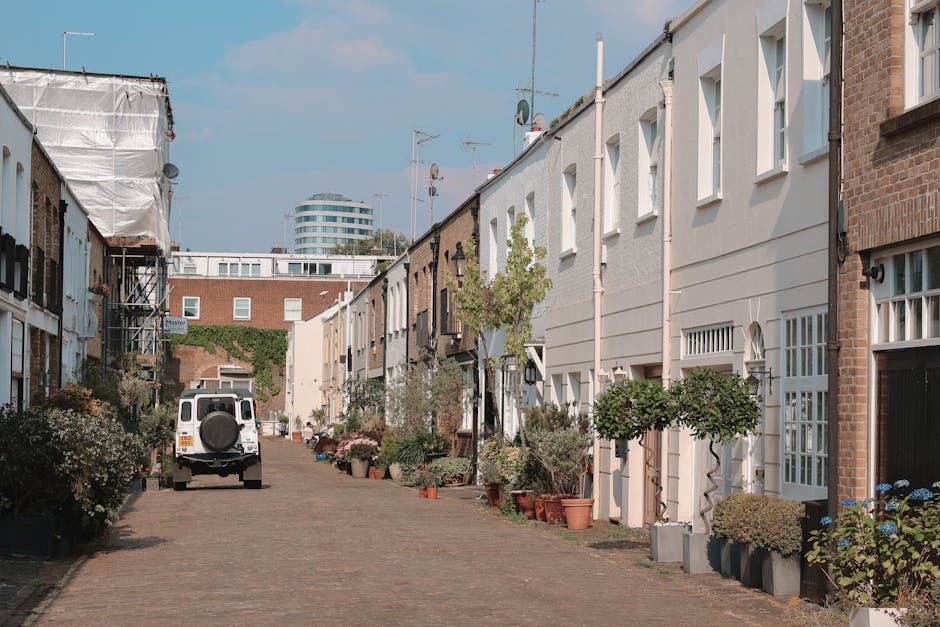
Fulham Road and the surrounding Chelsea streets bring a very specific mix of moving challenges. Buildings are often older, entrances can be tight, parking is rarely generous, and internal layouts were not designed with modern sofas, king-size beds, and office furniture in mind. That sounds obvious, but in real life it is where many moves go sideways.
Narrow access matters because one wrong assumption can cost time, money, and a fair bit of goodwill with neighbours. A mover turning up with a truck that cannot get close enough, or a sofa that cannot make the stair bend, can turn a half-day job into an all-day scramble. And yes, everyone gets a little more tired and a little less cheerful by 3pm. Happens all the time.
This is also why a good removal plan is not just about lifting and carrying. It is about route planning, item protection, timing, parking strategy, and understanding the property itself. On a busy London street, you are often working around traffic, pedestrians, deliveries, and limited stopping space. The more of that you solve before moving day, the smoother everything feels.
For many people, the biggest advantage of a proper narrow access guide is simple: fewer surprises. If you know the access issues early, you can choose a better team, a better vehicle, and a better packing approach. That is what keeps a difficult move from becoming a chaotic one.
How Fulham Road Chelsea removals guide for narrow access jobs Works
Narrow access removals work best when the job is treated as a logistics project, not just a transport job. First, the route is assessed: street width, parking restrictions, the distance from vehicle to front door, stair size, lifts, door clearances, and any awkward corners or basement steps. Then the moving method is matched to the property.
In many cases, smaller vehicles are better than a single large lorry. A nimble van can park more easily, reduce carrying distances, and make repeated trips without blocking the road for too long. If the move is mainly furniture, boxes, and a few bulky items, a man with van arrangement may be ideal. If there are heavier items or a larger load, a dedicated removal truck hire or a structured commercial moves approach may fit better.
The work itself usually follows a careful sequence. Fragile items are packed first, furniture is dismantled where needed, protective materials are used for edges and surfaces, then bulky items are moved with enough people and the right equipment. If access is very tight, crews may move items one by one rather than trying to "force" a route. That sounds slower, but it often saves more time than it loses.
The real trick is matching the move plan to the property, not the other way around. That is the bit people underestimate. A big van is not automatically a better van.
Key Benefits and Practical Advantages
A good narrow access moving plan delivers more than convenience. It reduces avoidable damage, keeps the day calmer, and helps everyone work more safely. On streets like Fulham Road, where access can be tight and timing matters, those benefits are worth a lot.
- Less damage risk: careful planning reduces scuffed walls, chipped bannisters, scratched furniture, and broken fittings.
- Better time control: the right vehicle and route can reduce waiting, reversing, and repeated manoeuvring.
- Lower physical strain: shorter carrying distances and better equipment make lifting safer and less exhausting.
- More predictable costs: a clear access plan helps avoid delays and extra labour caused by last-minute surprises.
- Less neighbour friction: efficient loading is simply less disruptive for everyone on the street.
Another practical benefit is decision clarity. Once you understand access, you can decide whether the job needs professional packers, dismantling support, temporary storage, or a smaller move team. If you are moving out of a flat with a long staircase and nowhere to leave a van, that clarity matters a lot.
Expert summary: Narrow access removals are won before the truck arrives. Measure first, pack intelligently, choose a vehicle that suits the street, and keep the load plan flexible enough for awkward realities.
Who This Is For and When It Makes Sense
This guide is for anyone moving in or near Chelsea where access is the main problem rather than the item count. That includes tenants in upper-floor flats, homeowners in period buildings, landlords arranging tenant changes, and businesses relocating from offices with tight entry points or shared loading areas.
It also makes sense if you are handling a smaller move but the items are not small. A one-bedroom flat can still be a difficult job if it contains a large wardrobe, a heavy dining table, a piano, or a sofa that definitely looked more cooperative in the showroom. You know the type.
You may need this approach if:
- your front door opens directly onto a narrow pavement or busy road
- the staircase is steep, curved, or split by a landing
- the building has limited lift access or no lift at all
- parking is far from the entrance
- there are strict building rules for moving times
- the property includes basement or top-floor access
- you are moving antiques, oversized furniture, or office equipment
If the job is a blend of domestic and business items, it may be useful to explore related services such as office relocation services or a carefully planned furniture pick-up for single bulky items that need special handling.
Step-by-Step Guidance
Here is a practical way to handle a narrow access move on or around Fulham Road without turning the day into a guessing game.
1. Survey the access before anything else
Walk the route from the street to the room. Measure door widths, staircase turns, and hallway pinch points. Check if radiators, wall lights, mirrors, or fragile fittings narrow the route further. A door frame that looks fine from a distance can suddenly become the bottleneck. It happens.
2. Decide what should be dismantled
Large beds, wardrobes, and dining tables often move more safely in parts. Dismantling is not a sign that the item is awkward; it is usually the smarter way to protect it. Keep screws and fittings bagged and labelled. Future-you will appreciate that tiny act of kindness.
3. Match the vehicle to the street
On busy Chelsea roads, a smaller moving vehicle is often easier to place and less disruptive during loading. Larger vehicles can still work, but only if access, turning space, and parking are genuinely suitable. If you are unsure, a flexible setup using man and van support may be more practical than a larger vehicle you cannot position properly.
4. Pack for the route, not just the room
Items that will travel through narrow corridors should be protected more carefully. Use corner protection, thick blankets, sofa covers, and sturdy cartons. Pack heavier things into smaller boxes. Nobody enjoys a giant box full of books. Nobody.
5. Load in the right order
Place bulky, durable items in first, then layer lighter and more fragile pieces around them. Keep essentials easy to reach. If the move spans multiple trips, separate the "must-have first" items from the rest so you are not hunting for a kettle at 8pm.
6. Manage the loading zone
If the vehicle must stop at a distance from the entrance, factor in the carry time each way. Use enough people, and keep a clear route through the property. A neat loading rhythm matters more than rushing. Fast is good. Careful is better.
7. Check the final sweep
Before leaving, inspect cupboards, loft spaces, under beds, and side rooms. Also check shared areas and outside steps. It sounds basic, but half-packed moves are usually caused by one overlooked shelf or one rushed hallway.
Expert Tips for Better Results
A few experienced habits can make narrow access jobs noticeably easier. These are the kinds of details that tend to separate a stressful move from a controlled one.
- Measure twice, not once: if an item is close to the size limit, re-check it with packaging on, not just bare dimensions.
- Take photos of tight spots: stair turns, door lips, and basement steps are easier to assess from a photo than memory.
- Use soft protection early: do not wait until the scratch risk becomes obvious. Put blankets and edge guards in place before the first heavy lift.
- Keep pathways clear: shoes, lamps, baskets, and pet items are small trip hazards that somehow appear everywhere on moving day.
- Work with the building rules: if there is a booking system for lifts or service entrances, respect it and plan around it.
- Have a plan B for large furniture: if a sofa will not turn, know whether it can be angled, dismantled, or moved via an alternative route.
One useful habit is to label rooms not just by name, but by access priority. For example: "first out," "fragile," "dismantle," and "last on." It is a tiny thing, but it keeps the day from becoming a tangle of half-open boxes and good intentions.
And yes, a bit of extra padding goes a long way. Not glamorous. Very effective.
Common Mistakes to Avoid
Narrow access removals fail for predictable reasons. The good news is that most of them are preventable with a little honest planning.
- Booking the wrong vehicle size: too large can be just as awkward as too small if the street cannot accommodate it.
- Ignoring internal bottlenecks: many people focus on the front door and forget the staircase bend or top landing.
- Leaving dismantling too late: trying to unscrew furniture at the last moment slows everything down.
- Packing fragile items too loosely: tight access means more chance of knocking, twisting, or sudden contact.
- Not checking parking and timing: even a perfect move plan can stall if the vehicle has nowhere sensible to stop.
- Overfilling boxes: heavy, overpacked boxes are harder to carry and more likely to split in narrow spaces.
- Forgetting about neighbours and shared areas: a little courtesy goes a long way in blocks and terraces.
The most common mistake, honestly, is assuming the job will "just work itself out." It rarely does. Narrow access needs structure. Not drama, just structure.
Tools, Resources and Recommendations
You do not need a warehouse of equipment to manage a difficult move, but the right tools make a real difference. In practice, a few basic items are often enough to protect furniture and keep the route under control.
| Item | Why it helps | Best for |
|---|---|---|
| Furniture blankets | Protects surfaces from scrapes and knocks | Sofas, tables, wardrobes |
| Corner guards | Reduces damage at sharp turns and door frames | Narrow stairwells, hallways |
| Straps and harnesses | Improves control when carrying bulky items | Heavy or awkward furniture |
| Labels and markers | Makes unloading faster and less confusing | Multi-room home or office moves |
| Dismantling kit | Helps break down large items safely | Beds, wardrobes, desks |
| Durable cartons | Handles stacking and repeated movement better | Books, kitchenware, office files |
For the right kind of move, a clean and straightforward man with van service can be the simplest answer. If you are relocating a business or large household contents, it may be better to combine transport with a more structured service such as home moves or a dedicated team that can manage both packing and access challenges.
If you only need one or two items moved, especially furniture, a tailored furniture pick-up can be a sensible option rather than overcommitting to a larger move. A small move done smartly is still a proper move.
Law, Compliance, Standards and Best Practice
For narrow access removals in London, the practical compliance issues usually relate to parking, loading, safety, insurance, and building rules rather than any single dramatic legal hurdle. The exact requirements can vary depending on the street, the property, and the managing agent or landlord.
Best practice is to check any building move-in or move-out rules in advance. Some properties require booking a service lift, protecting communal floors, or keeping to certain time windows. On public streets, parking and loading arrangements should be treated carefully and with proper notice where needed. That is especially true in busy areas like Chelsea, where a badly parked vehicle can create problems very quickly.
From a safety standpoint, moves should follow sensible manual handling practice. That means not lifting more than is reasonable, keeping routes clear, using the right number of people, and stopping if an item is too awkward to move safely. There is no prize for forcing a sofa round a corner by pure optimism.
Good operators also carry suitable public liability and goods-in-transit cover, and they should be clear about their terms. If you want to understand how a provider handles data or service conditions, it is worth reading the site's privacy policy and terms and conditions. Those pages do not move your wardrobe, but they do tell you a lot about how a company works.
Options, Methods and Comparison Table
The right moving method depends on how tight the access is, how much you are moving, and how much time you have. Here is a simple comparison to help you think it through.
| Method | Best for | Strengths | Trade-offs |
|---|---|---|---|
| Man and van | Smaller home moves, partial loads, awkward access | Flexible, practical, easier to position on tight streets | May need multiple trips for larger moves |
| Man with van | Light to medium loads, single-day jobs | Simple, efficient, good for fewer items | Less suited to very large household moves |
| Removal truck hire | Larger moves where vehicle capacity matters | Better for high-volume loads and structured transport | Can be harder to place on narrow roads |
| Full home move team | Complete house or flat removals | More labour, better coordination, less strain on you | More planning needed and usually more expensive |
| Commercial move support | Offices, studios, workspaces | Better workflow, less disruption, more organisation | Needs precise scheduling and building coordination |
There is no universal winner here. A compact flat with a tricky stairwell may be easier with a smaller vehicle, while a larger property with decent street access may benefit from a bigger truck and more crew. The best choice is the one that fits the building, not the fantasy version of the building.
Case Study or Real-World Example
Picture a Chelsea flat above a row of shops near Fulham Road. The front entrance is narrow, the staircase turns sharply at the half landing, and parking outside is limited because deliveries come and go all morning. A standard-sized van can stop nearby, but only briefly, and only if the timing is right.
In that kind of move, the job usually works best when the larger furniture is identified in advance: bed frame, mattress, sideboard, sofa, and dining table. The bed is dismantled. The sofa is wrapped. The sideboard is checked for door clearance before anyone carries it halfway down the hall and discovers it will not turn. That part is key. No one likes carrying the same piece back up the stairs.
With the right plan, the team uses shorter carrying runs, keeps boxes grouped by room, and loads in a careful order. The move is not flashy. It is just efficient. The client feels less panic, the building sees less disruption, and the furniture arrives in better shape.
That is usually what a narrow access move needs: less heroics, more thought.
Practical Checklist
Use this checklist before moving day. A few minutes here can save hours later.
- Measure the front door, stair turns, and any lift access.
- Check parking and loading options near the property.
- Confirm building rules, time slots, and access codes.
- Dismantle any large furniture that will be awkward to turn.
- Wrap fragile items and protect furniture edges.
- Label boxes by room and priority.
- Separate essentials you need on the first night.
- Make sure the route through the property is clear.
- Keep screws, keys, remotes, and small fittings in one labelled bag.
- Confirm the moving plan with your chosen service before the day arrives.
If you are unsure whether the move needs a fuller setup, it can help to review broader support options such as office relocation services for work spaces or commercial moves where timing and access need to be tightly controlled. Small decision, big difference.
Conclusion
A Fulham Road Chelsea removals guide for narrow access jobs comes down to one clear idea: do not let the access surprise you. If the street is tight, the stairs are awkward, or the loading space is limited, the move should be designed around those realities from the start. That means measuring properly, choosing the right vehicle, protecting the right items, and keeping the process calm enough that people can actually work.
In our experience, the smoothest moves are not the easiest ones. They are the best prepared ones. When you plan for the awkward parts early, the day feels lighter, the furniture stays safer, and the whole job becomes much more manageable. Truth be told, that little bit of preparation is often what makes Chelsea removals feel professional rather than frantic.
Get a free quote today and see how much you can save.
If you are ready to take the next step, make sure your mover understands both the property layout and the practical limits of narrow access. That simple conversation can spare you a lot of hassle, and maybe even a few sore shoulders.
Frequently Asked Questions
What makes a Fulham Road Chelsea removal job a narrow access move?
A narrow access move usually means the route to or from the property has tight doors, stairs, turns, limited parking, or restricted loading space. On Fulham Road, that combination is common enough that planning matters from the outset.
Can a standard van handle narrow access in Chelsea?
Sometimes, yes, but not always. A smaller van is often easier to place on a busy street and may reduce the distance you have to carry items. The best vehicle depends on the road, the property, and the volume of items.
Do I need to dismantle furniture before the move?
Large pieces such as beds, wardrobes, and some tables often move more safely if dismantled. If an item looks tight on the staircase or in a doorway, dismantling is usually the sensible choice.
How do I know if my sofa will fit through the staircase?
Measure the sofa, the stair width, and the tightest turn or landing. If the item is close to the limit, assume it may need to be angled, protected carefully, or dismantled if possible. Photos help too.
Is a man and van service suitable for narrow access jobs?
Yes, for many smaller or medium-sized jobs it is a very good fit. It is flexible, usually easier to park than a larger truck, and works well where access is tricky but the load is manageable.
How far in advance should I plan a narrow access move?
Earlier is better, especially if parking, lift booking, or building rules are involved. Even a short move can become complicated if access needs to be arranged around other building users or street restrictions.
What should I do if parking outside is not possible?
Plan for a longer carry distance and choose a team or vehicle setup that can handle it. If needed, the move may be easier with smaller loads, staged loading, or extra labour to keep the process efficient.
Are packing services worth it for narrow access removals?
Often, yes. Careful packing reduces damage and speeds up loading, especially when items must be carried through tight stairwells or across longer distances from the vehicle.
What is the biggest mistake people make with Chelsea narrow access moves?
The biggest mistake is underestimating the access itself. People focus on the number of boxes and forget about the route, the vehicle, and the building layout. That is where most delays start.
Can office moves also have narrow access problems?
Absolutely. Office relocations often involve lifts, shared entrances, loading windows, and bulky furniture or equipment. In many cases, they are just as access-sensitive as home moves, sometimes more so.
How can I reduce the risk of damage during the move?
Use proper protection, keep routes clear, dismantle oversized items, and avoid rushed lifting. A calm load plan is one of the simplest ways to protect both property and furniture.
When should I ask for a full removal truck instead of a smaller van?
If the property has good vehicle access and the load is substantial, a larger vehicle may be efficient. But if the road is tight or parking is awkward, a smaller van can be the smarter practical choice even if it means a slightly different loading plan.